The Bottled Water Company Group Develops 100% Recycled PET Plastic Bottles

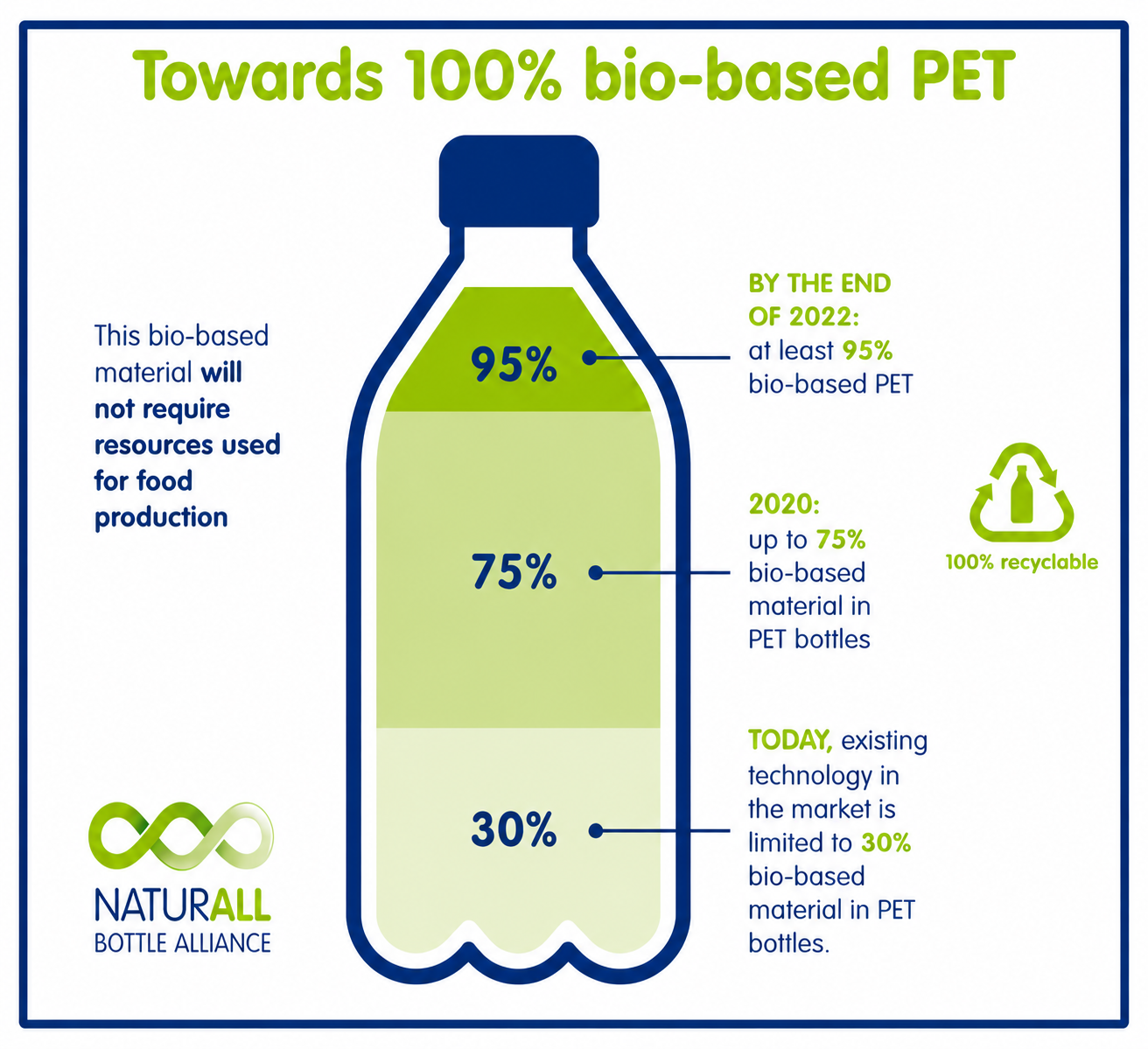
It is understood that the world’s two bottled water company Nestle, Danone together with a company called Origin Material in California, to form a coalition – NaturALL Bottle Alliance, to commercial production of 100% bio-PET containers.

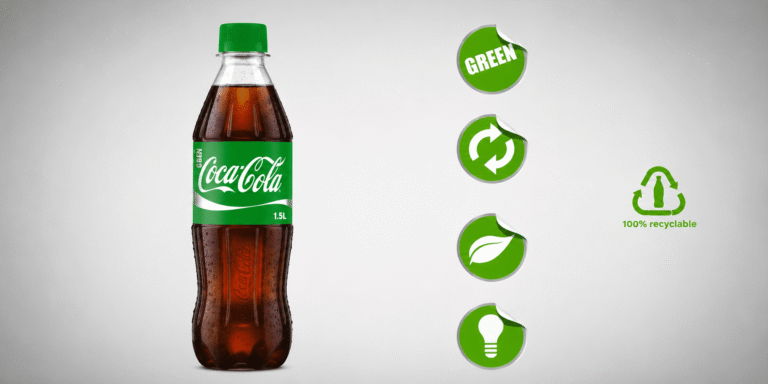
Coca-Cola has produced plant plants containing 30% plant material (PlantBottle), in recent years is very famous. Coca-Cola is also working with other companies to test production of 100% bio-plastic bottles.

But this new alliance has seen the commercial production of 100% recycled PET plastic bottles of the future development of space.


“The technology on the market today can produce plastic bottles with 30% bio PET,” said John Bissell, CEO of Origin Material. “Our breakthrough technology goal is to achieve the commercial production of 100% bio-plastic bottles With the help of alliance partners, Origin Materials will be able to expand its technology applications, and the trial production has now proven its viability.

The company’s pilot plant in the western part of Sacramento (the capital of California) has successfully produced 80% bio PET sample plastic bottles and is expected to build a new plant this year to produce 60 percent more bio PET bottles from next year. At the initial stage, the production target is to process 5,500 tonnes of bio PET.

PET is made of MEG and TPA. MEG in the PET raw materials accounted for about 30%, can be made from plant ethanol. PTA in the PET raw materials accounted for 70%, made by the PX, PX is a typical naphtha extract.
Origin Materials technology converts cellulose to PX.

The alliance hopes to develop a process that will increase the biomaterials of plastic bottles to 95% by 2020. The ultimate goal is 100%.

“We believe that biofilm materials can be used as an alternative to traditional fossil materials.We form a team that enables the complementarity of resources and technology to accelerate the commercialization of 100% renewable and recyclable PET plastics.” Danone Group Research and Development Director Fredric Jouin said in a statement.

Origin Materials uses cardboard, sawdust, wood and other biomass to develop biological PX. This approach does not occupy resources or affect food production. The future of its raw materials may also include rice husk, straw and agricultural residues.

“It may be hard to imagine that in the near future, the industry will be able to take advantage of renewable packaging materials that will not compete with food production and create a better planet.” Nestle R & D Director Klaus Hartwig said in a statement.

Welcome to contact PBM Custom Plastic Bottle Manufacturers in China. 2017 your best Plastic Bottle Manufacturers here.


 

Similar Posts

  • Health Information of Plastic Bottles

    Health Notice The main raw material for the production of beverage bottles is polypropylene plastic, non-toxic and harmless, for the consumption of soft drinks Coke-type drinks on the human body without adverse effects; but because the plastic bottle still contains a small amount of ethylene monomer, if long-term storage of wine, Organic matter, it will occur chemical reaction. Long-term consumption of food contaminated by ethylene, will make people dizziness, headache, nausea, loss of appetite, memory loss, etc., severe cases may also lead to anemia. In addition, with a bottle of wine, vinegar, etc., the bottle will be oxygen, ultraviolet and…

  • Humanity and Nature Unified Packaging Design

    As with all designs, the anti-slip design of plastic packaging containers also needs to be injected into the “humanized concept” and “humanistic care spirit.” Today, when commodity supply and demand competition tends to become hot, the relationship between people and commodities is not only based on supply and demand, but also on the link of humanization, such as identity, understanding, and emotional resonance. On the one hand, people try to quickly understand the function, quality, brand, and reputation of the product through the packaging of the goods, which requires the secure transmission, visual impact and considerate caring personality of the…

  • Plastic Bottle Related Issues

    (1) When designing extruded plastic bottles, if the material is made of high density polyethylene or polypropylene, the cross section of the plastic bottle shall be rectangular or oval. For materials with low density polyethylene or other flexible plastic bottles, The cross section is rounded as well. This facilitates the extrusion of the contents from the plastic bottle. Plastic parts used in conjunction with plastic bottles are mainly caps and sealers. The design of the plastic bottle should focus on how to make the plastic bottle can be better with the cover and seal with. The bottom of the plastic…

  • Two Major Food Giants Jointly Developed 100% Renewable Plastic Bottles

    Two international food giants jointly develop environmentally friendly materials. March 7, the reporter was informed that the international food giant Danone and Nestle, and a US research company Origin Materials formed “NaturALL bottled alliance” to jointly develop biological materials (100% sustainable, renewable resources) made of PET plastic Bottle, and put it into commercial production. It is reported that the project will use biomass raw materials, without taking up the resources needed for food production or land. It is reported that the three parties are actively working together to carry out relevant research, and continuously improve the plastic bottle of biomass…

  • Packaging Containers Non-slip Design Background and Development

    With the development of human civilization, the materials for manufacturing containers are continually evolving and developing, many custom plastic bottle manufacturers in China, many articles are used to make containers such as bamboo, rattan, paper, metal, ceramics, glass, and composites. Plastic bottles are new materials and products that have appeared in the past century. 2.1 Social background of non-slip design of plastic packaging containers In the 1940s, the first production of polyethylene bottles was the first plastic container (for polyethylene bottles and deodorant bottles recovered from war). In the 1950s, the United States and former federal Germany has developed high-density…

  • Waste plastic and Development of bottles

    Waste plastic We all know that a large number of food packaging for the three kinds of plastic products: polyvinyl chloride, polyethylene, polystyrene. Short period of time used to hold cooking oil, the human health is no hindrance. However, with them to long-term oil loaded, will pollute the food, causing harm to the human body. This is because these bottles have a high transparency, easy to aging and other characteristics, in the air will be oxygen, ozone, the role of ultraviolet light to produce a strong smell, coupled with the aging of the polymer itself, if used for long-term storage…